
Discover, explore and download thousands of ebooks across multiple subjects.

Discover, explore and download thousands of ebooks across multiple subjects.
ISBN : 9798904752156
Year : 2026 Price : $ 277.50
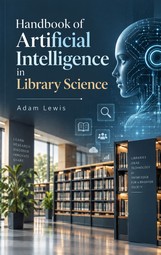
Adam Lewis is a leading voice in the conversation about technology's role in modern libraries. He is recognized for his expertise in artificial intelligence and its practical applications within library science. His work focuses on how AI tools can reshape library services, streamline operations, and create new avenues for user engagement. As a contributor to the Handbook of Artificial Intelligence in Library Science, he provides a grounded perspective on a rapidly evolving field. Lewis's professional background combines deep knowledge of library systems with a practical grasp of emerging technologies. He examines how machine learning algorithms can assist with core library functions. His research explores automated cataloging systems that classify materials with speed and accuracy. He investigates intelligent search tools that help users find resources more effectively, moving beyond simple keyword matches to grasp the context of a query. These technologies promise to free librarians from repetitive tasks, allowing them to focus on direct patron support and complex research assistance. In the Handbook of Artificial Intelligence in Library Science, Lewis addresses both the possibilities and the practical considerations of integrating AI. He discusses how libraries can use data analytics to understand collection usage patterns and predict future needs. His chapters cover the development of chatbots and virtual assistants that provide round-the-clock answers to patron questions. He also considers the infrastructure requirements for these systems, from data storage to staff training. His writing gives librarians a realistic view of what AI can achieve and the steps required for successful implementation. Lewis pays close attention to how AI affects different user populations. He studies whether automated systems serve all community members equally. His work questions if algorithmic tools introduce bias into services like resource recommendations or reference assistance. He advocates for transparent system design and ongoing evaluation to ensure technology supports equity in library access. This focus on fair and ethical application sets his work apart in the field. His teaching and presentations help library professionals prepare for technological change. He conducts workshops that demystify AI concepts for practitioners without technical backgrounds. He shows librarians how to collaborate with programmers and data scientists to create tools that meet real user needs. His approach emphasizes hands-on experimentation and continuous learning rather than waiting for perfect solutions.
The Handbook of Artificial Intelligence in Library Science explores the integration of advanced computational tools into traditional library settings. It provides librarians and information professionals with a roadmap for adopting technologies that can automate routine tasks and enhance user services. The text addresses the practical applications of artificial intelligence, from chatbots that answer basic reference questions to sophisticated cataloging systems that can classify materials with minimal human intervention. This work captures a pivotal moment where libraries must adapt to remain relevant in an increasingly digital information landscape. A significant portion of the handbook is dedicated to intelligent information retrieval systems. Modern library users expect search experiences similar to those of commercial search engines, and artificial intelligence makes this possible. Machine learning algorithms can analyze user queries, search histories, and even contextual clues to deliver more precise and personalized search results. The book explains how these systems go beyond simple keyword matching to truly understand the relationships between concepts, helping patrons discover resources they might not have found through traditional catalog searches. The cataloging and metadata management functions of libraries are also transformed through artificial intelligence applications. The handbook describes how neural networks and pattern recognition software can automatically generate metadata for new acquisitions, suggest subject headings, and even identify duplicate or related materials within a collection. This automation frees librarians from tedious manual work, allowing them to focus their expertise on more complex tasks that require human judgment and interaction with patrons. The technology handles routine classification while ensuring consistency across vast collections. User behavior analytics represents another critical area examined in the handbook. Libraries generate enormous amounts of data about how their collections are used, what resources are most popular, and which services might be underutilized. Artificial intelligence tools can process this data to reveal patterns and trends that would be invisible to human observers. Librarians can use these insights to make evidence-based decisions about collection development, allocate resources more effectively, and design services that better meet the actual needs of their communities. The ethical implications of deploying artificial intelligence in libraries receive careful attention throughout the work. Issues of patron privacy, algorithmic bias, and the digital divide are explored in depth. The handbook emphasizes that libraries serve diverse populations and must ensure that automated systems do not inadvertently discriminate against certain user groups. It provides guidance on selecting transparent and accountable technologies that align with the core professional values of librarianship, including intellectual freedom and equitable access to information.
Preface
Chapter 1. Introduction to Artificial Intelligence in Libraries
Historical Development of Library Automation
AI for Library Administration and Operations
AI and Library Security Systems
AI Literacy and User Education
AI for Digital Preservation and Archiving
Challenges in Library AI Implementation
Chapter 2. Historical Development of AI in Library Services
Early Experiments in Automated Information Retrieval
Natural Language Processing and Library Applications
Historical Lessons and Future Foundations
Professional Values and Technological Change
Chapter 3. Fundamentals of Artificial Intelligence Concepts
Defining Artificial Intelligence in Modern Context
Knowledge Representation and Reasoning
Intelligent Information Retrieval Systems
Machine Learning Applications in Libraries
Intelligent Tutoring and Information Literacy
Predictive Analytics for Collection Management
Artificial Intelligence and Technical Services
Evaluation of Artificial Intelligence Systems in Libraries
Chapter 4. Machine Learning Applications in Library Systems
Natural Language Processing for Cataloging and Metadata
Text Classification and Document Organization
Collection Development and Management
Information Literacy Instruction and Support
Collection Preservation and Conservation
Collaboration and Resource Sharing
Challenges and Limitations of Machine Learning in Libraries
Chapter 5. Natural Language Processing for Library Resources
Foundations of Natural Language Processing for Library Applications
Named Entity Recognition for Library Collections
Semantic Search and Information Retrieval
Machine Translation for Multilingual Collections
User Interaction and Conversational Agents in Libraries
Ethical Considerations in Natural Language Processing for Libraries
Natural Language Processing for Libraries
Transformation of Library Services through Natural Language Processing
Role of Natural Language Processing in Library Discovery
Natural Language Processing for Accessibility and Inclusion
Integration of Natural Language Processing with Library Systems
Chapter 6. Intelligent Cataloging and Metadata Generation
Intelligent Cataloging in Library Science
Metadata Extraction from Digital Resources
Quality Control and Error Detection
Ethical Considerations in Automated Cataloging
Standards Development for Automated Cataloging
Chapter 7. AI-Powered Search and Discovery Systems
Evolution of Information Discovery in Libraries
Recommender Systems in Library Contexts
Citation Networks and Scholarly Impact
Cloud Based Discovery Infrastructure
Training and Support for Library Users
Faculty and Researcher Engagement
Discovery and Undergraduate Education
Ethical Considerations in AI Discovery
Chapter 8. Recommendation Engines in Digital Libraries
From Traditional Catalogs to Intelligent Discovery Systems
Evolution of Search to Recommendation
User Modeling and Profiling Techniques
Role of User Feedback in System Improvement
Librarian’s Role in Algorithmic Recommendation
Chapter 9. Automated Subject Indexing and Classification
Foundations of Automated Subject Indexing
Classification Systems and Automated Assignment
Metadata Generation and Enhancement
Deep Learning and Transformer Models
Training Data Requirements and Creation
Quality Control and Human Oversight
Indexing Consistency and Reliability
Cultural Heritage Materials and Subject Access
Standards and Interoperability Considerations
Legal and Policy Issues in Automated Indexing
Accessibility and Universal Design
Chapter 10. Chatbots and Virtual Reference Services
Emergence of Chatbots in Library Settings
Theoretical Foundations of Library Chatbots
Natural Language Processing in Library Contexts
Types of Chatbots Deployed in Libraries
Implementing Chatbots in Academic Libraries
Public Libraries and Community Chatbot Services
Special Libraries and Specialized Chatbot Applications ..............................................
Design Principles for Effective Library Chatbots
Evaluating Chatbot Performance and Impact
User Experience and Satisfaction with Library Chatbots
Integration with Library Systems and Resources
Accessibility and Inclusivity in Chatbot Design
Staff Training and Organizational Change
Challenges and Limitations of Library Chatbots
Future of Chatbots in Library Services
Chapter 11. AI in Information Retrieval and Relevance Ranking
Information Retrieval in Library Science
Query Understanding and Processing
Relevance Ranking Algorithms
Personalized Information Retrieval
Multilingual and Cross Language Information Retrieval
Multimedia Information Retrieval
Machine Learned Relevance Features
Query Understanding Components
Retrieval Models Comparison
Chapter 12. Text Mining and Content Analysis in Collections
Defining Text Mining in Library Context
Chapter 13. Predictive Analytics for Library Usage
Concepts in Predictive Modeling
Predicting Reference and Information Service Demand
Predicting Collection Use for Preservation and Archiving
Chapter 14. AI for Collection Development and Acquisition
Usage Analysis for Collection Assessment
Citation Analysis for Collection Evaluation
Demand-Driven Acquisition Models
Approval Plans and Automated Selection
Collection Analysis for Deselection and Weeding
Budget Allocation and Resource Optimization
Publisher and Vendor Analysis
User Needs Assessment and Community Analysis
Consortial Collection Development
Special Collections and Distinctive Materials
Digital Collections and E-Resources
Cost-Benefit Analysis and Return on Investment
Ethical Considerations in AI-Driven Collection Development
Privacy and Data Protection in Collection Analytics
Integration with Library Systems and Workflows
Staff Training and Skill Development
Collaboration and Knowledge Sharing
Evaluation and Continuous Improvement
Transformation of Collection Development Practice
Relationship between AI and Selector Expertise
Implications for Library Users
Strategic Implications for Library Organizations
Chapter 15. Intelligent Preservation and Digitization Processes
Integration of Intelligent Preservation with Library Systems
Transformation of Preservation through Artificial Intelligence
Chapter 16. Automated Quality Control in Digital Archives
Quality Control in Digital Archives
Structural Integrity of Complex Digital Objects
Image and Video Quality Assessment
Quality Control for Legacy Collections
Rights Expression Verification
Training Requirements for Quality Control Staff
Chapter 17. AI in User Behavior Analysis and Personalization
Collaborative Filtering for Resource Recommendations
User Modeling and Profile Construction
Privacy Preserving Personalization Architectures
Chapter 18. Ethical Considerations in Library AI Systems
Ethical Principles Guiding Library Practice
Data Security and Protection Measures
Chapter 19. Bias Detection and Fairness in Library AI
Bias in Library Artificial Intelligence
User Interaction Data and Feedback Loops
Algorithmic Auditing Methods for Libraries
Quantitative Fairness Metrics and their Limits
Recommendation Systems and Algorithmic Curation
Privacy Considerations in Fair AI Systems
Organizational Capacity for Fair AI
Training and Education for Library Professionals
Community Based Participatory Design
Documentation Practices for Transparency
Continuous Monitoring and Improvement
Intersection of AI Fairness with Accessibility
Economic Dimensions of AI Fairness
Political Dimensions of AI Fairness
Global Perspectives on Library AI Fairness
Accountability Structures for Fair AI
Professional Guidelines and Standards
Advocacy for Fair AI in Libraries
Fair AI as Ongoing Commitment
Bibliography
Index
