
Discover, explore and download thousands of ebooks across multiple subjects.

Discover, explore and download thousands of ebooks across multiple subjects.
ISBN : 9798904754884
Year : 2026 Price : $ 262.50
Dr. Christine Wegner is an Associate Professor of Sport Management and the Director of Graduate Studies. She earned her Ph.D. in Sport Management from Temple University and holds a Master’s degree in Exercise Science with a focus on Biomechanics. Dr. Wegner’s interdisciplinary research bridges the gap between the physiological mechanics of human movement and the sociological structures of sports organizations. For over fifteen years, her laboratory work has focused on how musculoskeletal adaptations to high-intensity training influence long-term athletic longevity and injury recovery timelines. She has published extensive peer-reviewed research in leading journals, including the Journal of Applied Biomechanics and the Sport Management Review. Beyond her academic appointments, Dr. Wegner serves as a consultant for collegiate athletic departments and professional sports organizations, designing evidence-based rehabilitation protocols that optimize both physical recovery and athlete well-being. She lives in Gainesville, Florida, where she continues to mentor the next generation of sports scientists and sports medicine professionals.
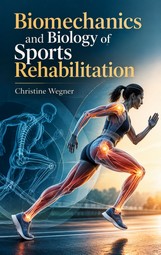
Biomechanics and Biology of Sports Rehabilitation is a foundational book that bridges the gap between basic science and clinical application. This comprehensive guide explores how biological tissues respond to stress, injury, and healing, and how biomechanical principles can be leveraged to optimize recovery and performance. The central premise of the book is that successful sports rehabilitation cannot rely on empirical observation or standard protocols alone. Instead, it must be rooted in a deep understanding of two distinct yet interconnected disciplines. It discusses, how cells, tissues, and organ systems respond to trauma, inflammation, and cellular repair and how physical forces (gravity, friction, ground reaction forces, muscular contractions) impact the human body during movement. By synthesizing these fields, the book provides clinicians with the conceptual tools needed to design individualized, evidence-based rehabilitation programs that respect the physiological limits of healing tissues while progressively loading them to restore function. The book begins by establishing a firm biological foundation. It details the phases of tissue healing, inflammation, proliferation, and remodeling across various musculoskeletal structures. Mechanism of strains, satellite cell activation, and regeneration versus scar tissue formation. The unique challenges of bradytrophic (poorly vascularized) tissues and the biology of mechanotransduction (how mechanical stimulus triggers cellular healing). Once the biological constraints are established, the text shifts to the mechanical laws governing human movement. Analyzing the forces causing motion and the description of motion itself. How joint angles and muscle moment arms change during exercises, altering the stress placed on healing structures. The distinction between open and closed kinetic chain exercises, and how altering the boundary conditions changes joint load distributions. A significant portion of the book is dedicated to clinical chapters that apply these integrated principles to specific sports injuries. This textbook is an invaluable resource for a wide array of sports medicine professionals, including: Physical Therapists and Physiotherapists, Athletic Trainers, Sports Chiropractors, Orthopedic Surgeons seeking insight into post-operative rehabilitation, and Sports Science and Kinesiology Students What sets Biomechanics and Biology of Sports Rehabilitation apart is its highly practical "why behind the what" approach. Instead of offering rigid recipes or cookie-cutter exercise lists, it empowers clinicians to think critically. For instance, instead of stating when an athlete should run after an injury, it provides the biological markers of tissue readiness and the biomechanical performance thresholds (e.g., limb symmetry indices) required for a safe return to sport.
Preface
. EPIDEMIOLOGY OF SPORTS INJURIES: IMPLICATIONS FOR REHABILITATION
. Introduction
. Most Frequent Diagnoses
. Health Services in International Competitions
. Conclusion
.
. PATHOPHYSIOLOGY OF INJURY
. Introduction
. Natural Killer Cells
. Response to Injury
. The Process of Tissue Repair
. Conclusions
.
. SKELETAL MUSCLE REGENERATION AFTER INJURY: CELLULAR AND MOLECULAR EVENTS
. Introduction
. Structure of Adult Skeletal Muscle
. Functional Role of Inflammatory Cells in Damaged Muscle
. Skeletal Muscle Regeneration
. Differentiation of Myogenic Precursor Cells
. MHC Expression During Development
. Lactate Dehydrogenase Activity in Regenerating Skeletal Muscle
. Initial Inflammatory Response to Muscle Injury
. Heparin Sulphate Proteoglycans and Muscle Repair
. Conclusions
.
. TISSUE HEALING AND REPAIR: TENDONS AND LIGAMENTS
. Introduction
. Structure and Biomechanics of Ligaments and Tendons
.
. Ligament/Tendon Insertion to Bone
. Collagen Fibril Diameter Quantification with Age and Correlation with ACL Tensile Strength
. Basic Biomechanics of Tissue Injury
. Remodelling and Maturation (6 weeks to 12 months)
. Clinical and Ultrastructural Observations of Achilles Injuries
. Effect of Immobilization and Mobilization on Ligament Tensile Strength
. Collagen Fibril Populations in Human Knee Ligaments and Grafts
. Human ACL Allografts
. Enhancement of Ligament/Tendon Repair Using Tissue Engineering Technologies
.
. 5. TISSUE HEALING AND REPAIR: BONE AND CARTILAGE
. Healing and Regeneration of Bone
. Fractures in Sports
. The Healing Process of Fractures After Injury
. Management of Fracture
. Healing and Regeneration of Articular Cartilage
. Mechanism of Injury of Articular Cartilage
. Classification of Articular Cartilage Injuries
.
. 6. PHYSIOLOGICAL AND PERFORMANCE CONSEQUENCES OF TRAINING CESSATION IN ATHLETES: DETRAINING
. Introduction
. Cardiorespiratory Consequences of Training Cessation
. Blood Volume
. Heart Rate
. Substrate Availability and Utilization
. Blood LaPreface
. EPIDEMIOLOGY OF SPORTS INJURIES: IMPLICATIONS FOR REHABILITATION
. Introduction
. Most Frequent Diagnoses
. Health Services in International Competitions
. Conclusion
.
. PATHOPHYSIOLOGY OF INJURY
. Introduction
. Natural Killer Cells
. Response to Injury
. The Process of Tissue Repair
. Conclusions
.
. SKELETAL MUSCLE REGENERATION AFTER INJURY: CELLULAR AND MOLECULAR EVENTS
. Introduction
. Structure of Adult Skeletal Muscle
. Functional Role of Inflammatory Cells in Damaged Muscle
. Skeletal Muscle Regeneration
. Differentiation of Myogenic Precursor Cells
. MHC Expression During Development
. Lactate Dehydrogenase Activity in Regenerating Skeletal Muscle
. Initial Inflammatory Response to Muscle Injury
. Heparin Sulphate Proteoglycans and Muscle Repair
. Conclusions
.
. TISSUE HEALING AND REPAIR: TENDONS AND LIGAMENTS
. Introduction
. Structure and Biomechanics of Ligaments and Tendons
.
. Ligament/Tendon Insertion to Bone
. Collagen Fibril Diameter Quantification with Age and Correlation with ACL Tensile Strength
. Basic Biomechanics of Tissue Injury
. Remodelling and Maturation (6 weeks to 12 months)
. Clinical and Ultrastructural Observations of Achilles Injuries
. Effect of Immobilization and Mobilization on Ligament Tensile Strength
. Collagen Fibril Populations in Human Knee Ligaments and Grafts
. Human ACL Allografts
. Enhancement of Ligament/Tendon Repair Using Tissue Engineering Technologies
.
. 5. TISSUE HEALING AND REPAIR: BONE AND CARTILAGE
. Healing and Regeneration of Bone
. Fractures in Sports
. The Healing Process of Fractures After Injury
. Management of Fracture
. Healing and Regeneration of Articular Cartilage
. Mechanism of Injury of Articular Cartilage
. Classification of Articular Cartilage Injuries
.
. 6. PHYSIOLOGICAL AND PERFORMANCE CONSEQUENCES OF TRAINING CESSATION IN ATHLETES: DETRAINING
. Introduction
. Cardiorespiratory Consequences of Training Cessation
. Blood Volume
. Heart Rate
. Substrate Availability and Utilization
. Blood Lactate Kinetics
. Muscle Glycogen
. Muscle Structure
. Muscle Function
. Training Cessation and Endurance Performance
. Training Cessation and Strength Performance
. Conclusions
.
. 7. PHYSIOLOGICAL AND FUNCTIONAL IMPLICATIONS OF INJURY
. Introduction
.
. Rehabilitation
. Tissue damage-the Tissue Injury Complex
. Muscle
. Neural Changes
. Cardiovascular and Aerobic Capacity
. Conclusions
.
. 8. PSYCHOLOGICAL FACTORS IN SPORTS INJURY REHABILITATION
. Introduction
. Models of Psychological Response to Sports injury and Sports Injury Rehabilitation
. Psychological Responses to Sports Injury
. Behavioural Responses to Sports Injury
. Psychological Factors and Sports Injury Rehabilitation Outcomes
. Implications for Clinical Practice
. Future Research Directions
. Conclusions
.
. 9. PHARMACOLOGICAL AGENTS AND ACUPUNCTURE IN REHABILITATION
. Introduction
. Non-Steroidal Anti-Inflammatory Drugs
. Chemical Properties and Mechanism of Action
. Steroidal Medications
. Acupuncture in Acute Pain and Inflammation
.
. 10. PHYSICAL MODALITIES AND PAIN MANAGEMENT
. Introduction
. Cryotherapy (Cold Therapy)
. Therapeutic Heat Modalities
. Superficial Heat Modalities
. Paraffin Baths
. Musculoskeletal Conditions
. Electrical Stimulation to Promote Tissue Healing
. Electrical Stimulation of Nerves
. Magnetic Therapy
. Conclusions
.
. FLEXIBILITY AND JOINT RANGE OF MOTION
. Introduction
. Terminology and Definitions
. General Benefits of Flexibility Training
. Decreased Muscle Soreness
. Pathophysiology of Soft Tissue Contracture Following Injury
. Measurement of Flexibility
. Neural Effects of Stretching
. Plastic and Elastic Effects of Stretching
. Optimum Duration of a Stretch at one Stretching Session
. Number of Repetitions (Frequency) of Stretches at one Stretching Session
. Role of Warm-up Prior to Static Stretching on Musculotendinous unit ROM
. Conclusions
.
. STRENGTH AND ENDURANCE
. Introduction
. Reduction in Skeletal Muscle Strength
. Background for Resistance Training
. Muscle Training Methods
. Training of Cardiovascular Endurance After Sports Injury
. Principal Rehabilitation Techniques
. Eccentric Training
.
. PROPRIOCEPTION AND COORDINATION
. Introduction
. Neurological Proprioception Mechanisms
. Sensitive Receptor Organs
. Motor Control and Coordination
. The Effect of an Injury on Proprioception
. Proprioceptive Re-Education Techniques
. Adapting Proprioception to Training
. Conclusions
.
BIBLIOGRAPHY
INDEX
ctate Kinetics
. Muscle Glycogen
. Muscle Structure
. Muscle Function
. Training Cessation and Endurance Performance
. Training Cessation and Strength Performance
. Conclusions
.
. 7. PHYSIOLOGICAL AND FUNCTIONAL IMPLICATIONS OF INJURY
. Introduction
.
. Rehabilitation
. Tissue damage-the Tissue Injury Complex
. Muscle
. Neural Changes
. Cardiovascular and Aerobic Capacity
. Conclusions
.
. 8. PSYCHOLOGICAL FACTORS IN SPORTS INJURY REHABILITATION
. Introduction
. Models of Psychological Response to Sports injury and Sports Injury Rehabilitation
. Psychological Responses to Sports Injury
. Behavioural Responses to Sports Injury
. Psychological Factors and Sports Injury Rehabilitation Outcomes
. Implications for Clinical Practice
. Future Research Directions
. Conclusions
.
. 9. PHARMACOLOGICAL AGENTS AND ACUPUNCTURE IN REHABILITATION
. Introduction
. Non-Steroidal Anti-Inflammatory Drugs
. Chemical Properties and Mechanism of Action
. Steroidal Medications
. Acupuncture in Acute Pain and Inflammation
.
. 10. PHYSICAL MODALITIES AND PAIN MANAGEMENT
. Introduction
. Cryotherapy (Cold Therapy)
. Therapeutic Heat Modalities
. Superficial Heat Modalities
. Paraffin Baths
. Musculoskeletal Conditions
. Electrical Stimulation to Promote Tissue Healing
. Electrical Stimulation of Nerves
. Magnetic Therapy
. Conclusions
.
. FLEXIBILITY AND JOINT RANGE OF MOTION
. Introduction
. Terminology and Definitions
. General Benefits of Flexibility Training
. Decreased Muscle Soreness
. Pathophysiology of Soft Tissue Contracture Following Injury
. Measurement of Flexibility
. Neural Effects of Stretching
. Plastic and Elastic Effects of Stretching
. Optimum Duration of a Stretch at one Stretching Session
. Number of Repetitions (Frequency) of Stretches at one Stretching Session
. Role of Warm-up Prior to Static Stretching on Musculotendinous unit ROM
. Conclusions
.
. STRENGTH AND ENDURANCE
. Introduction
. Reduction in Skeletal Muscle Strength
. Background for Resistance Training
. Muscle Training Methods
. Training of Cardiovascular Endurance After Sports Injury
. Principal Rehabilitation Techniques
. Eccentric Training
.
. PROPRIOCEPTION AND COORDINATION
. Introduction
. Neurological Proprioception Mechanisms
. Sensitive Receptor Organs
. Motor Control and Coordination
. The Effect of an Injury on Proprioception
. Proprioceptive Re-Education Techniques
. Adapting Proprioception to Training
. Conclusions
.
BIBLIOGRAPHY
INDEX
