
Discover, explore and download thousands of ebooks across multiple subjects.

Discover, explore and download thousands of ebooks across multiple subjects.
ISBN : 9798904758141
Year : 2026 Price : $ 240.00
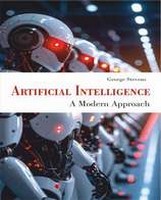
George Stevens is widely regarded as a pivotal figure in the academic and pedagogical landscape of artificial intelligence, best known for his foundational role as a co-author of the seminal textbook Artificial Intelligence: A Modern Approach (AIMA). Often referred to as the "standard text" in the field, AIMA has educated generations of students and professionals since its first publication in 1995. While his co-authors, Stuart Russell and Peter Norvig, are frequently the more public faces of the project, Stevens's contributions were instrumental in shaping the book's clarity, structure, and comprehensive scope. His expertise lies not in pioneering narrow, cutting-edge algorithms, but in the monumental task of synthesizing and organizing the vast, multidisciplinary body of AI knowledge into a coherent and accessible framework. Stevens played a critical role in distilling complex concepts-from simple search algorithms and knowledge representation to modern machine learning and probabilistic reasoning-into a logical pedagogical progression. This work required a deep, systemic understanding of how subfields of AI interconnect, demonstrating a unique form of academic mastery.
Artificial Intelligence: A Modern Approach is one of the most influential and widely used textbooks in the field of artificial intelligence. Written by Stuart Russell and Peter Norvig, the book has become a standard reference for students, educators, and professionals around the world. Since its first publication, it has gone through multiple editions, reflecting the rapid growth and changing priorities of artificial intelligence research and applications. The book is valued not only for its technical depth but also for its clear organization and broad coverage, making it suitable for both introductory learning and advanced study. One of the key strengths of the book is its unifying perspective on artificial intelligence through the concept of intelligent agents. Rather than treating AI as a collection of unrelated techniques, the authors present it as a coherent discipline focused on building systems that can perceive their environment, reason about what they perceive, learn from experience, and act to achieve goals. This agent-based framework provides a consistent way to understand a wide variety of AI systems, from simple software programs to complex robotic systems. By emphasizing rational behaviour and decision-making, the book offers a principled way to evaluate what it means for a system to be intelligent. The book provides comprehensive coverage of both classical and modern areas of artificial intelligence. It includes detailed discussions of problem-solving and search algorithms, knowledge representation and logical reasoning, planning, and reasoning under uncertainty. These topics form the traditional core of AI and are presented in a systematic and accessible manner. At the same time, the book addresses modern developments such as machine learning, probabilistic models, and reinforcement learning, reflecting the increasing importance of data-driven and statistical approaches in contemporary AI. This balanced treatment helps readers understand how classical AI ideas connect with modern techniques.
Preface...................................................................................................................v
Chapter 1. Introduction to Artificial Intelligence ........................................ 1
Definition and Scope of Artificial Intelligence ....................................................................1
Historical Evolution of AI ...................................................................................................7
Foundations of AI: Philosophy, Mathematics, and Logic .................................................12
Intelligent Agents and Environments ...............................................................................15
Characteristics of Intelligent Systems ...............................................................................21
Strong AI vs Weak AI .......................................................................................................25
Applications of Artificial Intelligence ...............................................................................30
Ethical and Social Implications of AI ................................................................................35
Chapter 2. Intelligent Agents and Problem Solving ................................. 39
Agent Architectures and Types .........................................................................................39
Problem Formulation in AI ...............................................................................................43
State Space Representation ................................................................................................48
Uninformed Search Strategies ...........................................................................................54
Informed Search and Heuristic Methods ...........................................................................59
Optimization and Local Search .........................................................................................63
Adversarial Search and Game Playing ..............................................................................67
Performance Measures for Intelligent Agents ...................................................................72
Chapter 3. Knowledge Representation and Reasoning ............................ 78
Knowledge-Based Systems ................................................................................................78
Propositional Logic ............................................................................................................83
First-Order Predicate Logic ...............................................................................................86
Inference Mechanisms .......................................................................................................90
Rule-Based Reasoning .......................................................................................................96
Ontologies and Semantic Networks ................................................................................101
Reasoning with Uncertainty ...........................................................................................106
Applications of Knowledge Representation .....................................................................110
Chapter 4. Planning and Decision Making ............................................... 115
Classical Planning Approaches .......................................................................................115
Planning Graphs and Algorithms ...................................................................................119
Hierarchical Task Networks ............................................................................................125
Constraint Satisfaction Problems ....................................................................................129
Decision Theory Fundamentals .......................................................................................133
Utility Theory and Preferences ........................................................................................137
Markov Decision Processes .............................................................................................142
Planning Under Uncertainty ..........................................................................................147
Chapter 5. Machine Learning Fundamentals ........................................... 152
Introduction to Machine Learning ..................................................................................152
Supervised Learning Models ...........................................................................................156
Unsupervised Learning Techniques ................................................................................161
Reinforcement Learning Concepts ..................................................................................166
Feature Engineering and Selection ..................................................................................171
Model Evaluation and Validation ...................................................................................176
Overfitting and Generalization .......................................................................................181
Ethical Issues in Machine Learning ................................................................................184
Chapter 6. Probabilistic Reasoning and Learning ................................... 190
Probability Theory for AI ................................................................................................190
Bayesian Networks ..........................................................................................................196
Inference in Probabilistic Models ....................................................................................201
Hidden Markov Models ...................................................................................................205
Dynamic Bayesian Networks ..........................................................................................209
Probabilistic Learning Methods ......................................................................................214
Decision Making with Uncertainty ................................................................................220
Applications of Probabilistic AI ......................................................................................224
Chapter 7. Neural Networks and Deep Learning .................................... 230
Biological Inspiration of Neural Networks ......................................................................230
Perceptron and Multilayer Networks ..............................................................................234
Backpropagation Algorithm ............................................................................................239
Convolutional Neural Networks .....................................................................................244
Recurrent and Transformer Models ................................................................................248
Deep Learning Optimization Techniques .......................................................................252
Regularization and Model Tuning ..................................................................................256
Chapter 8. Natural Language Processing ................................................... 262
Foundations of Natural Language Processing ................................................................262
Language Models and Word Representations .................................................................267
Syntactic and Semantic Analysis ....................................................................................270
Information Retrieval and Extraction .............................................................................275
Machine Translation .......................................................................................................279
Speech Recognition and Generation ................................................................................285
Bibliography ................................................................................................... 290
Index.................................................................................................................. 299
